January 23, 2026
Plumbing leaks are a common issue for many households, leading to increased water bills and significant water damage if not addressed promptly with plumbing repairs. However, there are a few main reasons for household plumbing leaks. Understanding these causes is crucial for homeowners wanting to prevent leaks that not only waste water but can also incur extensive repair costs. Proactive measures and timely plumbing repairs can help ensure the longevity and efficiency of your plumbing system.
1. Corrosion and Rust
Understanding Corrosion
Corrosion occurs when metal pipes react with water and oxygen, leading to the gradual degradation of the material. Over time, this chemical reaction can create weak points in the plumbing, resulting in leaks. The process is often inevitable in metal pipes, but its progression can vary based on various factors, including water quality and exposure to air. Different types of pipes, like those made from copper and galvanized steel, have varying susceptibilities to corrosion. Awareness of the materials used in your plumbing system can help you anticipate and manage corrosion-related issues effectively.
Impact of Water Chemistry on Corrosion
Water chemistry plays a significant role in the rate of corrosion in plumbing systems. Acidic water, often a result of certain mineral imbalances, accelerates the corrosion process by reacting more aggressively with metal pipes. Homeowners on well water systems, or those with specific municipal water conditions, may face higher risks of accelerated pipe degradation. Regular water testing can help identify corrosive elements present in water supplies. Conditioning or treating water to alter its chemistry can effectively slow down the corrosion process, thus reducing the likelihood of plumbing leaks.
Signs of Corrosion in Plumbing Systems
Visible signs of corrosion typically include discoloration around pipes, staining on sinks or tubs, and the presence of reddish-brown water. Additionally, an unusual taste or odor in the water can indicate a corrosion problem within pipes. Leaks occurring at joints or seams in plumbing are also a common result of advanced pipe deterioration due to corrosion. According to This Old House, the average home leaks about 10,000 gallons of water each year, underscoring the importance of recognizing these warning signs early. Detecting these symptoms can prompt timely intervention to address underlying issues before more severe leaks develop.
2. High Water Pressure
How Water Pressure is Measured
Water pressure in plumbing systems is commonly measured in pounds per square inch (PSI). Optimal residential water pressure typically ranges from 40 to 60 PSI to maintain effective water flow without overburdening pipes. Pressure values outside this safe range can compromise the integrity of plumbing systems, increasing the likelihood of leaks. Homeowners can measure water pressure using a simple pressure gauge attached to an outdoor spigot or faucet. Understanding your home's water pressure levels is vital to ensuring the long-term stability and safety of your plumbing installations.
Effects of Excessive Water Pressure
Excessive water pressure in household plumbing systems can lead to several problems, including leaks. High pressure stresses pipes, joints, and fixtures, increasing the risk of bursts or leaks over time. While high pressure may initially seem desirable, offering increased water flow, it often results in costly plumbing repairs and wasted water. Additionally, appliances connected to the plumbing, like washing machines and dishwashers, suffer premature wear due to elevated pressure. Controlling water pressure within recommended levels can prevent such problems and contribute to a more reliable and efficient plumbing environment.
Common Sources of High Water Pressure
High water pressure in household systems can stem from several sources, including direct municipal supply and faulty pressure regulators. Areas where water is delivered directly from a water main without adequate regulation may experience elevated pressure levels. Malfunctioning pressure-reducing valves within the plumbing system may also contribute to improper pressure regulation. Households on municipal water supplies typically have systems in place to regulate pressure, but failures in these systems are not uncommon. Regularly checking and maintaining pressure regulation equipment is crucial in preventing pressure-related plumbing issues.
Solutions to Manage Water Pressure
Solutions for managing excessive water pressure include installing or replacing pressure-reducing valves. These devices automatically adjust pressure to safe levels, protecting plumbing systems from unnecessary wear and tear. For homes already equipped with pressure regulators, routine checks and maintenance should ensure they function properly. If chronic high pressure persists, consulting a plumbing professional may be necessary to enhance system regulation. With proper pressure management measures in place, households can avoid many common leakages and enjoy a more efficient plumbing system.
3. Clogged Pipes
Causes of Pipe Blockages
Clogged pipes arise from various causes, often related to foreign materials entering the plumbing system. Accumulations of hair, grease, food particles, or residue from soaps and cleaners contribute to gradual blockages. Non-biodegradable items flushed or washed into drains can also create significant obstructions. Over time, accumulating waste constrains water flow, increasing pressure on pipes and creating conditions that promote leakage. Recognizing typical behaviors and materials that cause clogs can aid homeowners in making informed choices to minimize the risks of pipe blockages.
Preventative Practices for Avoiding Clogs
Implementing preventative practices is key to maintaining clog-free plumbing systems. Regularly cleaning drains and avoiding disposing of oils, fats, or starchy substances down the sink can significantly reduce blockage risks. Using mesh screens over drains captures hair and debris, preventing accumulations that lead to clogs. Educating household members on the importance of proper disposal habits for fats, oils, and non-dissolving materials is equally important. By incorporating these practices into daily routines, homeowners can effectively prevent clog-related leaks and maintain efficient plumbing operations.
When to Call a Professional for Clogs
In certain cases, persistent clogs require the expertise of professional plumbers to be adequately addressed. If multiple fixtures are simultaneously affected, this may indicate a widespread or severe blockage affecting the main plumbing line. Additionally, if initial attempts to clear blockages continue to fail, or if there are signs of adjacent leaks, professional assistance is advised. Plumbers possess specialized tools and expertise for diagnosing and resolving complex pipe issues effectively. Opting for professional help can ensure timely resolution and prevent minor blockages from escalating into significant plumbing problems.
4. Loose Water Connections
Identifying Loose Connections
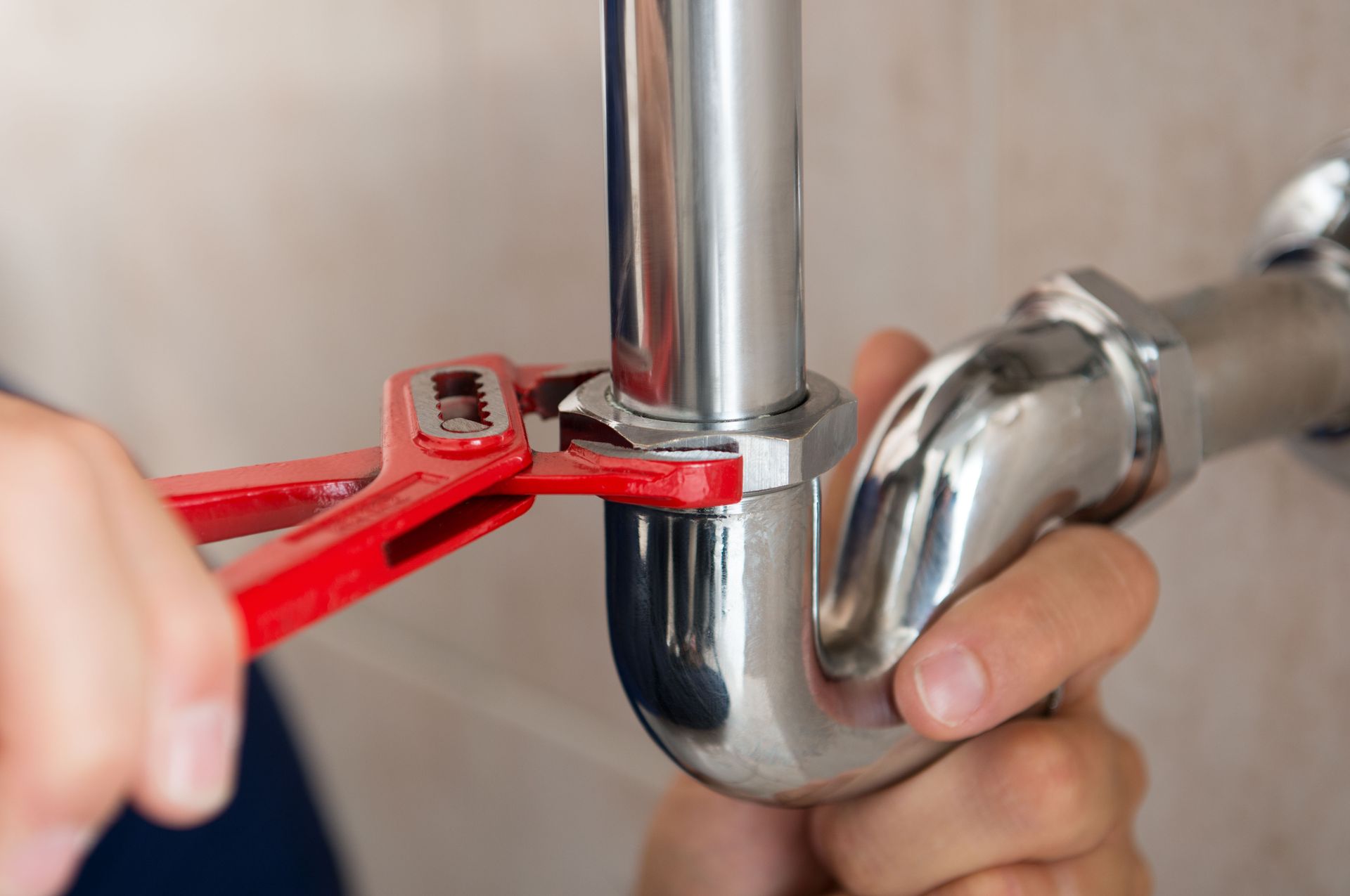
Loose water connections in plumbing systems often manifest themselves through visible water drips or inefficiencies in the water supply. Areas such as under sinks, at hose bib connections, or around joints and fittings are prone to loosening over time. Even minor vibrations or water hammer effects created by water flow can contribute to connection loosening. Regularly inspecting these areas for visible leaks or moisture can help in identifying potential issues early. Proactive assessment and maintenance of connections prevent escalating water losses and ensure system efficiency.
Common Reasons for Loosening
There are several common reasons why water connections may become loose, prompting potential leak scenarios. System vibrations transmitted through plumbing as water flows can gradually weaken secured connections. Thermal expansion and contraction cycles also contribute to loosening, as temperature fluctuations cause materials to expand and contract. Inadequate or faulty installation practices may similarly result in insufficiently fastened fittings. Addressing these issues through regular inspections and adjustments can effectively safeguard against significant water losses.
Understanding the common causes of household plumbing leaks is critical for preventing them and maintaining the integrity of your plumbing system. By recognizing the signs and taking proactive measures with the help of Professional Mechanical Contractors Inc, you can effectively minimize the risk of leaks and ensure your plumbing systems remain in optimal condition for years to come. Reach out to us today if you need help with leaks or plumbing repairs!